
Post-surgical wound care
When a surgical incision opens or will not close, specialized care at home can keep recovery on track.
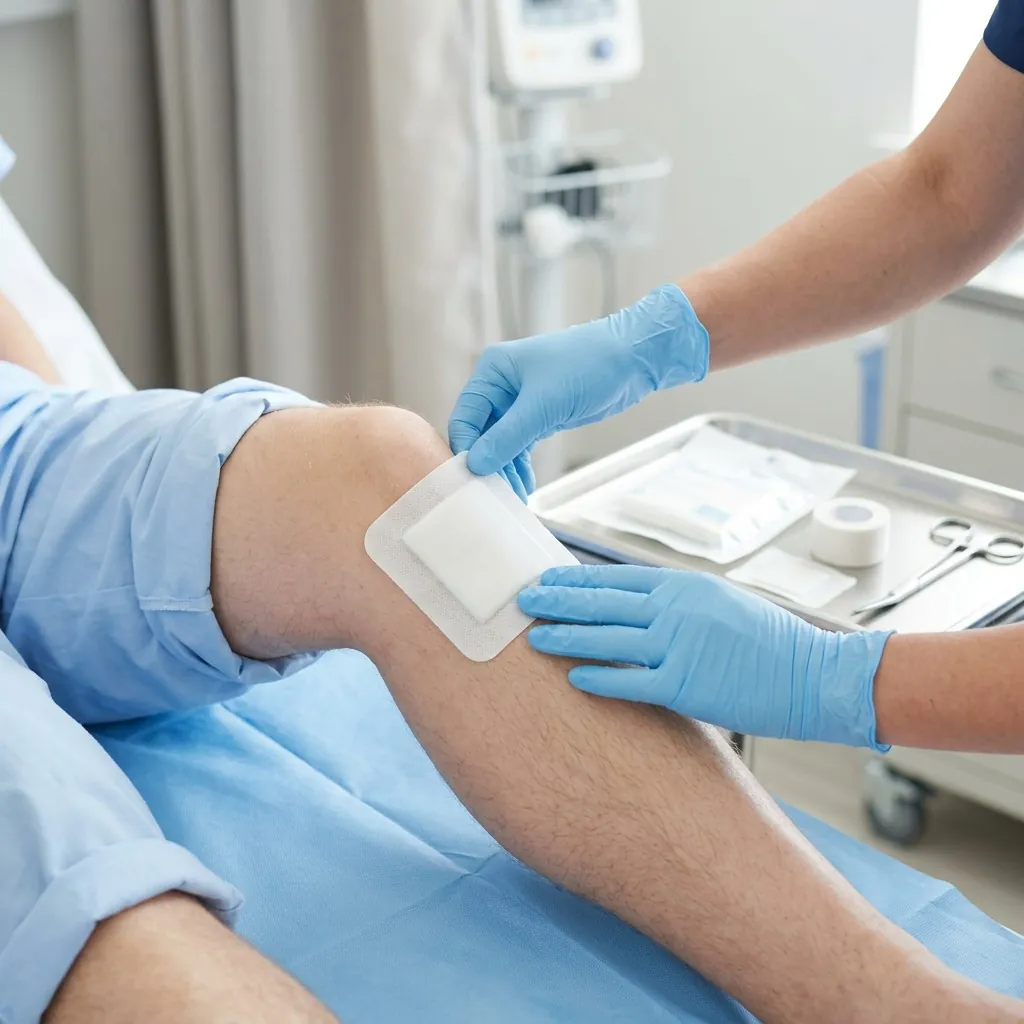
How we help
Most incisions heal on their own, but some open up (dehiscence), keep draining, or heal slowly — especially in patients with diabetes, obesity or other conditions. Infection at the surgical site is another common problem.
Our clinicians assess the wound, manage drainage, treat infection, and use dressings or wound vac therapy to help it close. We keep the surgeon and primary physician informed, so the patient can recover at home instead of returning to the hospital.
Who it helps
- Incisions that opened after surgery
- Wounds with ongoing drainage
- Slow-healing surgical sites
- Patients recovering at home or in a skilled nursing facility
Your visit, step by step
Assessment
The incision, drainage and signs of infection are checked.
Treatment
Dressings, wound vac or debridement as needed.
Coordination
Updates to the surgeon and physician.
Follow-up
Regular visits until the wound closes.
Common questions
My incision opened. Is that an emergency?
Call your surgeon or us right away. If you see organs, heavy bleeding or have a high fever, call 911.
Can a wound vac help a surgical wound?
Often yes, for open or deep surgical wounds. The clinician decides if it fits.
Do you work with my surgeon?
Yes. We share findings and follow the surgeon’s instructions.