
Wound infection management
Infection is one of the main reasons wounds stop healing. Finding it early keeps patients out of the hospital.
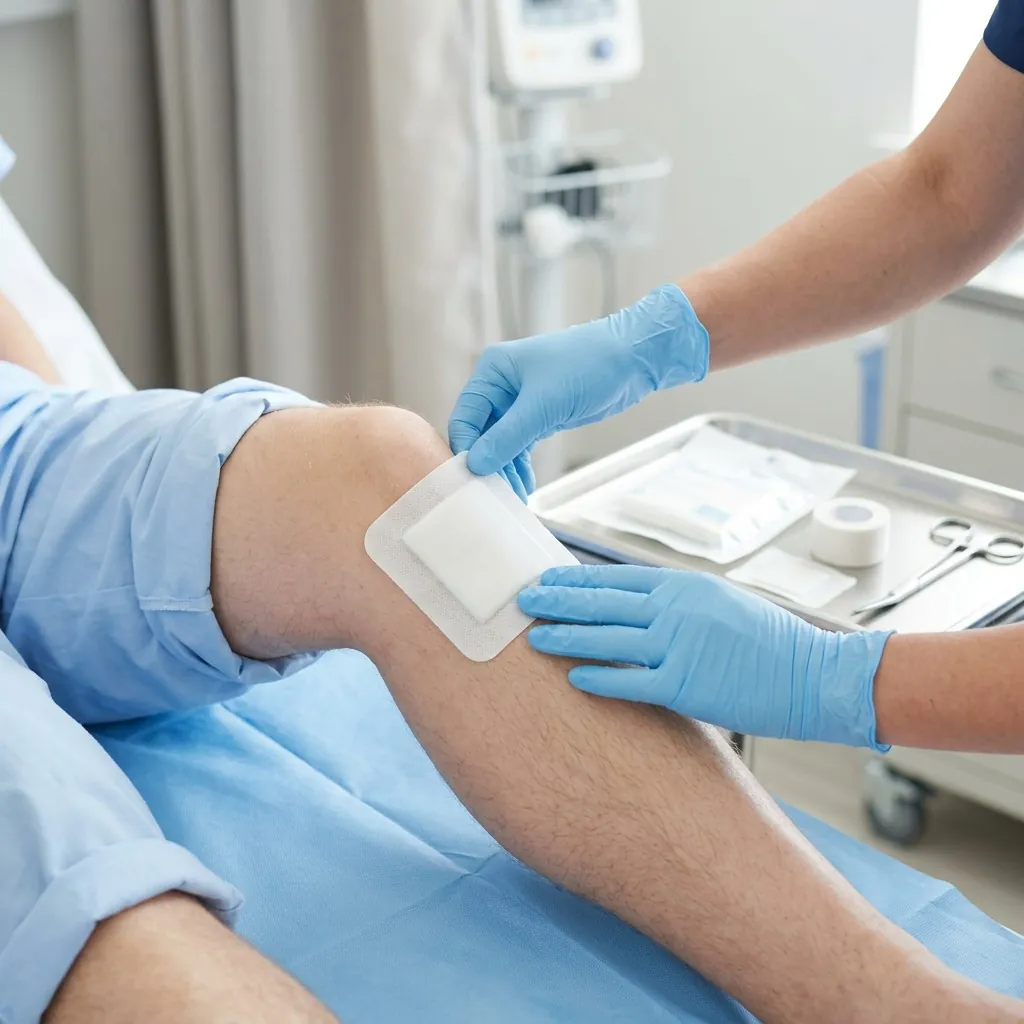
How we help
Our clinicians check every wound for signs of infection at every visit: new redness, warmth, swelling, odor, increased drainage or pain. When infection is suspected, we can take a wound culture to identify the cause.
Treatment may include antimicrobial dressings, more frequent visits and debridement. When antibiotics are needed, we coordinate with the patient’s primary care physician. If there are signs of a serious infection, we help the patient get urgent care right away.
Who it helps
- Wounds with new redness, warmth, odor or drainage
- Patients with diabetes or weakened immunity
- Surgical wounds with signs of infection
- Wounds that suddenly got worse
Your visit, step by step
Assessment
The wound and the skin around it are checked for signs of infection.
Culture if needed
A sample is collected and sent to the lab.
Treatment
Antimicrobial dressings and a plan coordinated with the physician.
Close follow-up
Extra visits until the infection is under control.
Common questions
When should I call 911?
Call 911 for a high fever with confusion, redness spreading quickly, or heavy bleeding.
Do you prescribe antibiotics?
We coordinate with the patient’s physician, who decides on antibiotics based on our findings and the culture.
How do you prevent infection?
Regular cleaning, the right dressings, debridement when needed and teaching caregivers good hand hygiene.